In the early Theosophical writings, H. P. Blavatsky used the term “dugpa” for the various non-Gelugpa orders of Tibetan Buddhism, namely, for the Kagyupa, Nyingmapa, and Sakyapa orders. In doing this, she followed the usage of Western writers of the time. These writers indiscriminately termed all of these orders as “Red Caps,” “Shammars,” and “Dugpas,” or “Dukpas.” Blavatsky additionally used the term “dugpa” for followers of the non-Buddhist Bon religion of Tibet.
Blavatsky/Secret Doctrine
Image
Image

Content
Image

The trouble with the three fundamental propositions is that they are way up there in the blue somewhere. They don’t answer any of my problems. Why should I bother to study them?
Image
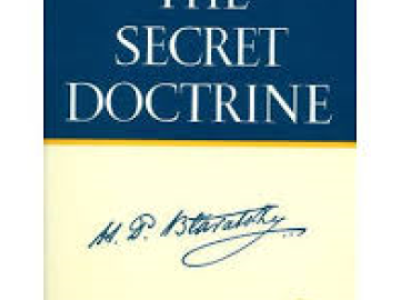
Being extracts from the notes of personal teachings given by H. P. Blavatsky to private pupils during the years 1888 to 1891, included in a large manuscript volume left to me by my father, who was one of the pupils.
Image
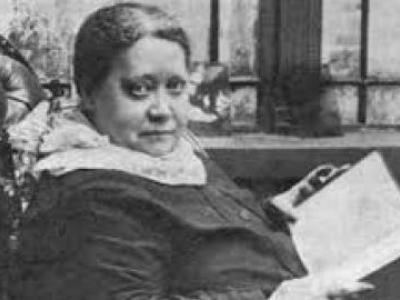
Since the split up of the Theosophical Society into various lineages after the death of Helena P. Blavatsky, foundress of the Aryan Theosophical Society at New York in 1875 and Head of its Esoteric School there is quarrel until today about the if, how, why and to whom of HPB’s occult successorship, beginning with the 1894 controversy between TS co-founder William Q. Judge and Annie Besant about the leadership.
Image
My favourite by a long way is The Voice of the Silence. I think there is such a wonderful compassionate note about it. The difference between At the Feet of the Master and the other three is that the other three are mystical treatises, but At the Feet of the Master is ascetical.